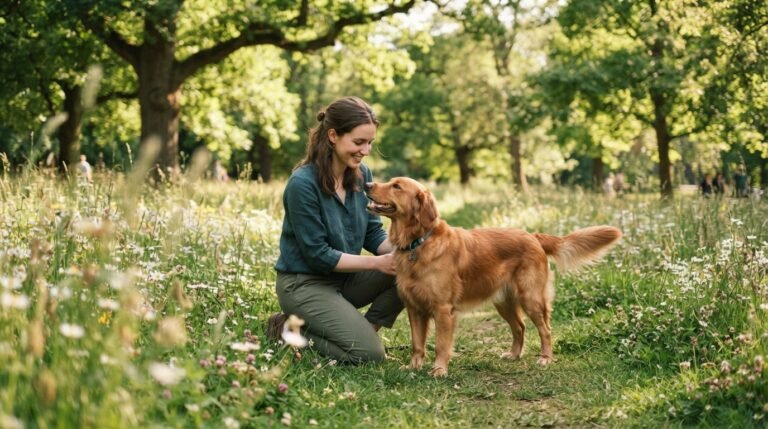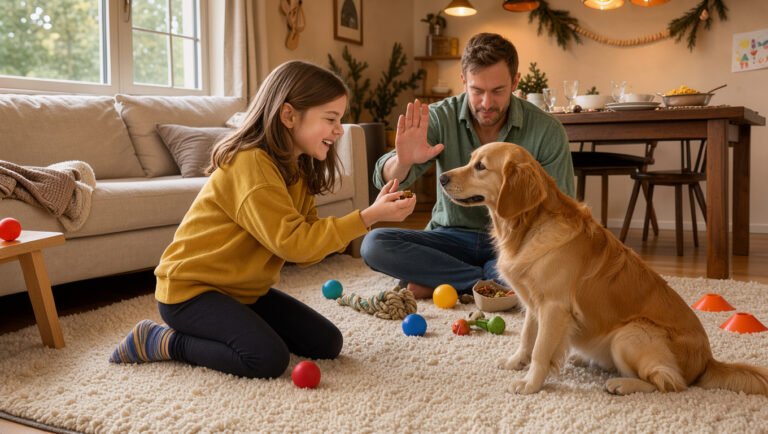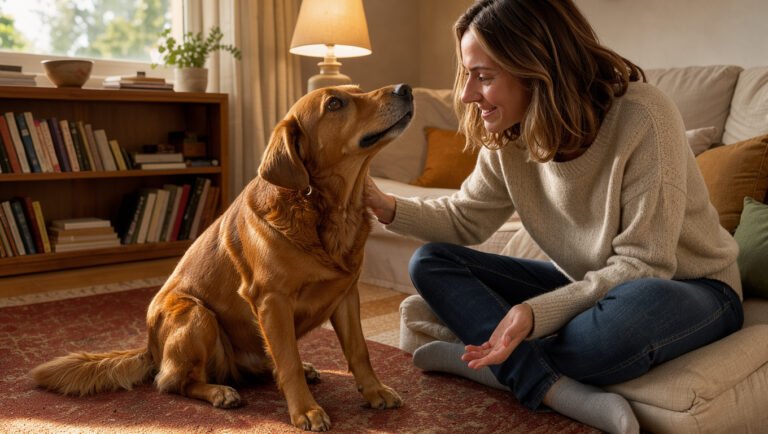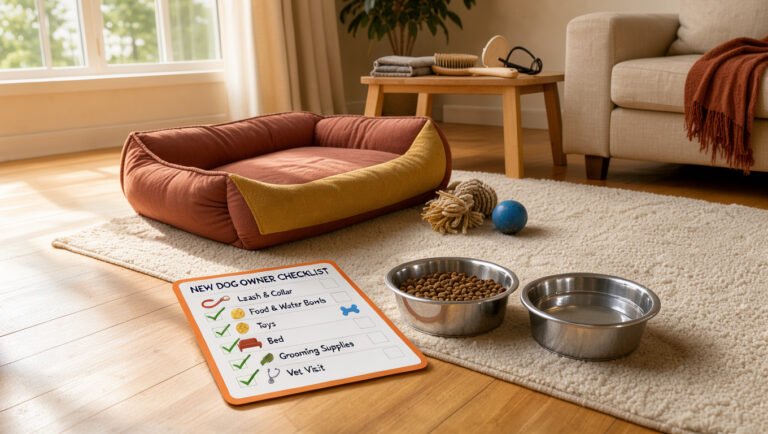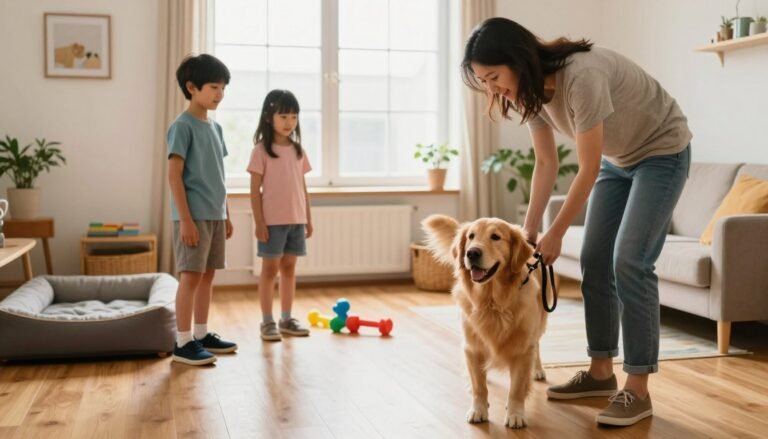
You can teach your puppy where to go by following a predictable routine, supervising closely, and rewarding each successful trip right away. Those steps help your puppy connect the potty spot with a good outcome, even when your home still feels new.
A few accidents are part of learning, not proof that you have failed. Young puppies need frequent chances to go, and steady progress takes time, patience, and practice from everyone in your home. You will need to notice patterns and adjust as your puppy grows. Begin on the day your puppy arrives, and make the same expectations clear from the start.
How to Potty Train a Puppy With a Consistent Routine
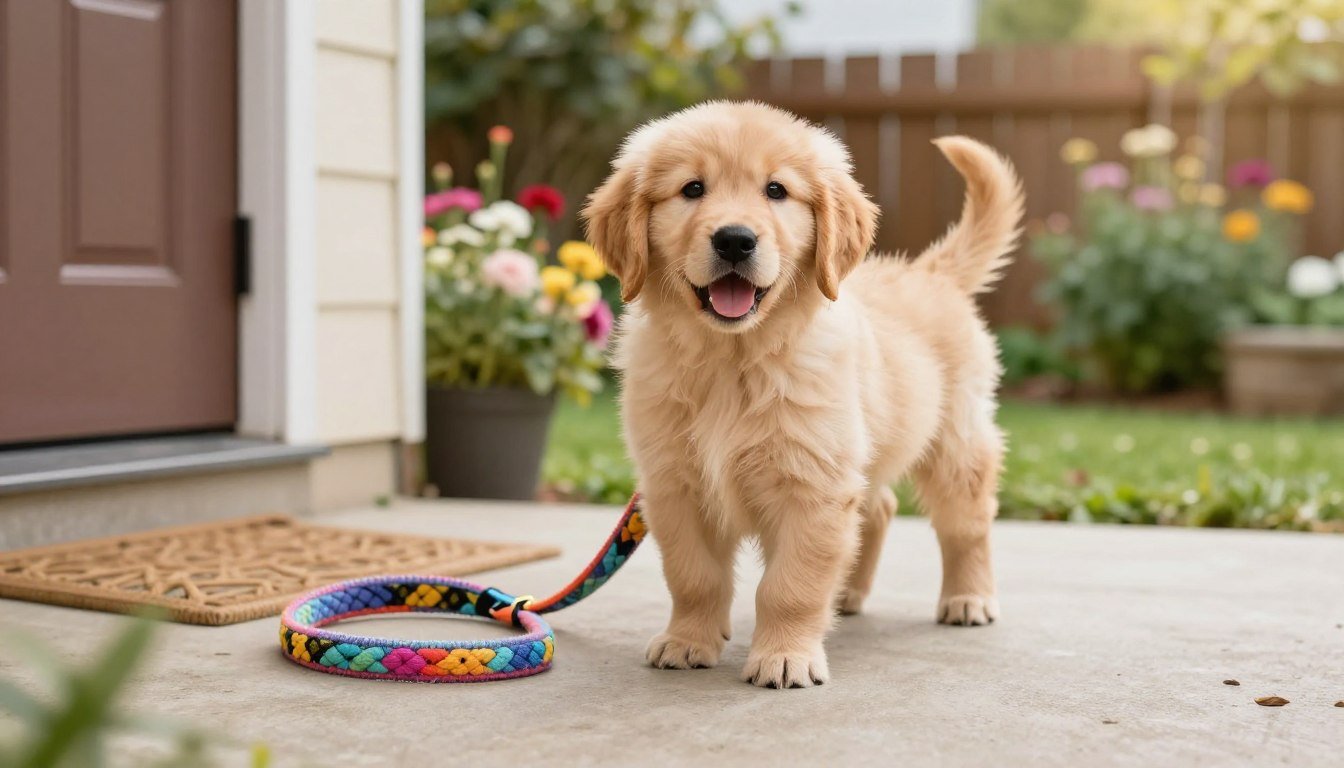
Start with one leash-led trip to the same outdoor spot each time, and say your cue as your puppy begins to go. A potty cue is a short, consistent word or phrase that signals that it is time to eliminate.
Begin toilet training the day your puppy comes home. Even an 8-week-old puppy can learn through frequent, consistent practice, so start with simple trips and clear rewards.

Prepare the potty spot and cue
Choose a quiet potty spot that is easy to reach, then bring your puppy there on leash. A familiar location gives your puppy one clear place to focus instead of inviting a tour of the yard.
Keep the trip calm and business-focused. Give your puppy time to sniff, then say the potty cue as elimination begins, rather than repeating it over and over.
Wait until your puppy has completely finished before you praise or offer a treat.
Some puppies need several minutes to settle and go. An outdoor potty trip may take 5-10 minutes, so stay nearby and give your puppy a chance to finish.
Make each trip clear and rewarding
Once your puppy finishes, praise them and offer a small treat right away. The location, cue, and reward work together, helping your puppy connect the action with the right place.
A puppy can learn to pee in the correct spot when those parts stay consistent. For reward-based help with other skills, see this positive reinforcement training plan.
Keep the treat easy to reach before you go outside. That way, you can reward your puppy without leaving the potty area or searching through a pocket afterward.
The cue can also help you keep trips focused. Use the same short phrase each time, and save play and extra attention for after your puppy has gone.
Build trips around daily activities
Frequent chances matter more than long waits for a signal. Take your puppy out after these common events:
- Waking up
- Eating or drinking
- Finishing a nap
- Playing or exercising
- Getting ready for bedtime
After a puppy eats or drinks, take a potty trip immediately and another 20-30 minutes later. These extra chances can help you catch your puppy’s timing before an accident happens.
For a young puppy, the routine is part of puppy potty training, not a test of obedience. Keep each trip clear and predictable, and let your puppy learn through repetition.
Give the reward immediately after your puppy finishes, while the correct location is still clear in their mind.
Match Potty Breaks to Your Puppy’s Age
A puppy’s age gives you a useful starting estimate, but individual bladder control and activity can call for more frequent breaks. Use age as a guide, then adjust when your puppy’s habits show a need.
A general estimate is about one hour of bladder control for each month of age. Individual puppies may need more frequent breaks, and daytime activity can shorten the time between trips.
Use age as a starting point, not a guarantee
Take a puppy outside at least every two hours, even when the age estimate suggests a longer wait. A 12-week-old puppy may need an earlier trip after drinking, active play, or a busy stretch.
For a puppy at 12 weeks, the one-hour-per-month estimate points to about three hours as a rough upper guide. It does not mean every puppy can comfortably wait that long.
Alone-time guidance is a separate issue from bladder capacity. Puppies 8-10 weeks old can usually be left alone for about one hour, while puppies 10-12 weeks old can usually be left alone for about two hours.
Those time frames help you plan care when you leave, but they do not promise that your puppy can hold their bladder for the full stretch. Arrange a break sooner if your puppy has been active or drank recently.
Watch how meals, sleep, and activity affect timing
Predictable meals make bowel timing easier to anticipate. Puppies 8-12 weeks old generally need three or four meals a day, and puppies usually poop about 5-30 minutes after eating.
Many puppies average two to five bowel movements daily, depending on age, diet, and activity. A steady meal time can help you notice the pattern and plan a timely trip.
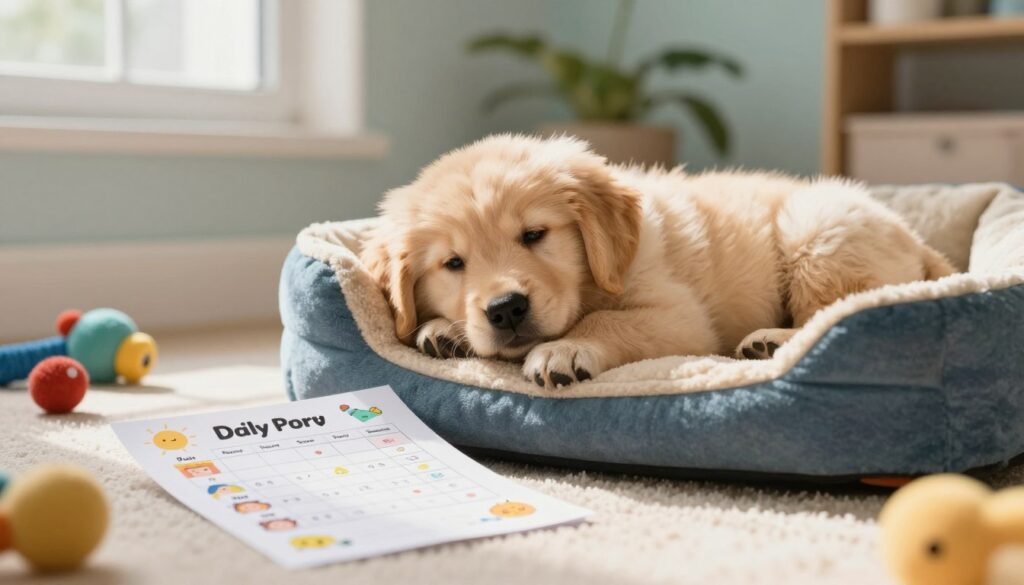
Sleep creates extra chances to go, too. Puppies may sleep up to 20 hours a day, so take your puppy out after naps rather than assuming the quiet means they can wait.
Play and other physical activity can bring on a need to eliminate. Watch your puppy’s behavior during an active stretch, then offer another break when the activity ends.
Plan separately for overnight and alone time
Young puppies can usually hold their pee longer overnight than during the day, but many still need nighttime potty breaks until about four months old. Smaller breeds may need nighttime trips for longer.
A puppy’s nighttime needs may change as they grow, so keep the sleeping area close enough for you to notice a wake-up. Do not treat a long stretch of sleep as proof of full bladder control.
If you are away longer than your puppy can manage alone, arrange a caregiver rather than relying on the age estimate. A neighbor or pet sitter can provide a bathroom break and keep your puppy comfortable.
Keep nighttime trips quiet and brief so your puppy can return to sleep.
Prevent Accidents With Supervision and Safe Confinement
If you cannot keep your eyes on your puppy, limit access to a safe, easy-to-monitor area instead of allowing free roaming. Close supervision during the first couple of weeks helps you spot early signs and prevent mistakes.
A crate is optional, not required. A supervised pen, tether, or puppy-proofed small room can work when a crate does not fit your puppy or household.

Keep your puppy close indoors
A 6-foot leash can keep a puppy nearby indoors while you move around. Use it only while you are watching, and keep the leash clear of furniture and other hazards.
New puppies can move from play to needing a bathroom trip quickly. Watch for these early signals when your puppy is indoors:
- Sniffing the floor
- Circling in one place
- Suddenly stopping play
- Whining or seeming restless
Take a signal seriously, even if your puppy went not long ago. A sudden change in activity or a focused search of the floor can mean your puppy needs another chance.
Close doors or use a gate to keep your puppy out of rooms you cannot monitor. Fewer open areas make it easier to notice where your puppy goes and what they are doing.
Choose a crate or another small safe area
A properly sized crate lets your puppy stand, turn around, and lie down comfortably. It should serve as a resting space, not a way to extend how long your puppy can hold it.
When confinement ends, take your puppy directly to the potty spot. A supervised pen or small room can also help when a crate is unsuitable, as long as the space stays safe.
Crate soiling can happen when a puppy is confined too long, or when fear or anxiety makes the crate stressful. Veterinary behavior guidance on crate and housetraining challenges can help explain these problems.
If your household is away more than four or five hours a day, arrange help for bathroom breaks or use an indoor potty option. A neighbor or pet sitter gives your puppy care during a stretch that is too long to manage alone.
After about a week without accidents, begin granting limited supervised freedom. Expand access to the home gradually, and keep supervising after the first accident-free week.
Indoor Potty Training for Apartments and Other Homes
An indoor potty area can be a practical choice when your puppy cannot get outside often enough or your home makes outdoor trips difficult. One set location helps your puppy understand where the indoor bathroom belongs.
Indoor training can make outdoor house training take longer. Paper or litter can teach a puppy to prefer that surface, so plan for a gradual transition if you later want outdoor-only habits.
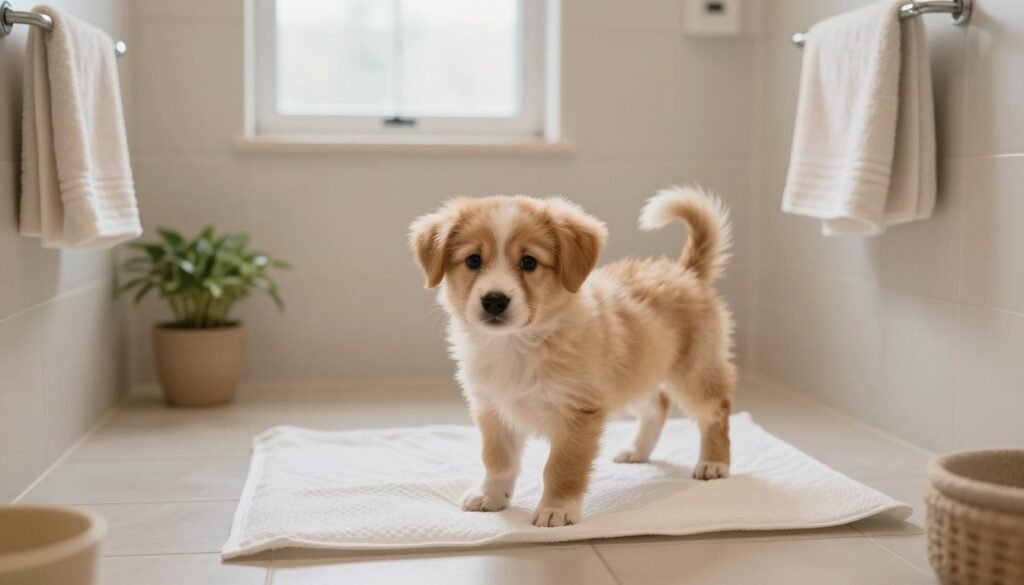
Choose and place an indoor potty area
Pee pads, newspapers, and a sod box are common indoor options. Pads can help in an apartment, a high-rise building, cold weather, or a home with a small breed that needs frequent access.
Choose one consistent potty area and keep it away from your puppy’s food and sleeping space. A small bathroom can work when you need a safe place for your puppy while you cannot supervise.
For an unsupervised puppy learning to use pads, you can cover the bathroom floor with pads. This gives your puppy a wider target while they learn the indoor routine.
Paper and litter training can create a surface preference. If your puppy learns to go on a soft pad, the change to grass outside may take more time and practice.
Keep pad trips predictable
Take your puppy to the pad every two or three hours, and after sleeping, playing, and eating. Keep the visit calm so your puppy can focus on the bathroom area.
Keep your puppy on leash at the designated pad for up to five minutes. If your puppy does not go, leave the area and try again later instead of turning the visit into play.
Reward correct use so your puppy has a clear reason to return to the same place. A consistent location and routine can make puppy potty training easier to follow indoors.
Clean accidents with an enzyme-based cleaner made for pet messes. Follow the product label so the cleaner is used as directed on your floor or other surface.
Reduce pads or transition outdoors gradually
When your puppy uses the remaining pad area well, remove one pad every two or three days. If your puppy soils outside the remaining pads, restore the removed pads and try the reduction again later.
In a small bathroom, start reducing the covered floor area after two or three days. Make each change small enough that your puppy can still find the target.
As the pad area shrinks, keep it in the same place. If you plan to move the bathroom outdoors, shift the routine in small steps rather than changing the surface and location at once.
Follow the cleaner’s label and keep the potty area in the same place while your puppy is learning.
Respond to Accidents and Track Progress
An accident is a sign to adjust supervision or timing, not a reason to punish your puppy. Stay calm, then respond based on whether you caught the mistake or found it later.
House training often takes four to six months. A single accident does not erase progress, and a few good days do not mean your puppy is fully reliable.
Handle a mistake calmly
If you catch your puppy eliminating indoors, interrupt calmly and take them to the designated potty spot. Avoid yelling or startling your puppy, which can make the moment more confusing.
If you discover the mess later, do not scold your puppy. They cannot connect a later punishment with an earlier accident, and scolding can make them wary around you.
Clean the spot thoroughly so your home stays comfortable. Give yourself a moment to consider what changed before the accident, such as a missed chance or a new activity.
A positive reinforcement approach to training also supports calm responses when your puppy makes a mistake. Consistent responses help keep your puppy focused on learning rather than fear.
Set a realistic timeline and know when to get help
House training typically takes four to six months, with timing affected by your puppy’s size, age, and previous housetraining. A week of good progress is encouraging, but it does not guarantee lasting reliability.
One accident-free month can be a sign that your puppy is becoming more reliable. Keep watching for patterns, since a month without accidents is a useful sign, not a promise that no mistake will happen again.
Three days can help establish a routine, but it cannot guarantee a fully trained dog. Give your puppy time to build the habit, and adjust the schedule when accidents cluster around certain events.
A lasting, sudden regression or signs of discomfort warrant a veterinarian’s assessment. Changes in bathroom habits can have a health cause, so note when they began and what else you notice.
For other sudden or persistent behavior changes, review warning signs in dogs and seek care when needed. A veterinarian can assess changes that seem unusual for your puppy.
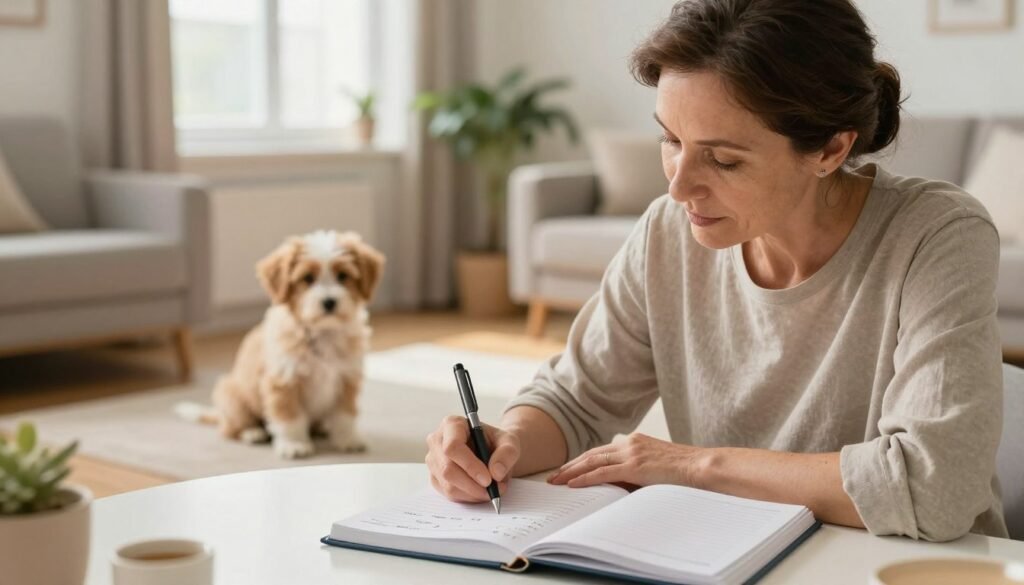
Keep a simple record of accident times and patterns so you can make practical changes to the routine.
Keep Outdoor Potty Trips Safe Before Full Vaccination
A young puppy can get outdoor potty opportunities before completing vaccinations, but the location should be chosen with disease exposure in mind. A 9-week-old puppy can go outside in lower-risk settings, while public dog parks and high-traffic areas should wait.
Ask your veterinarian to assess local disease risk and suggest safer places. Vaccine advice can reflect your puppy’s location, lifestyle, and expected contact with other animals.
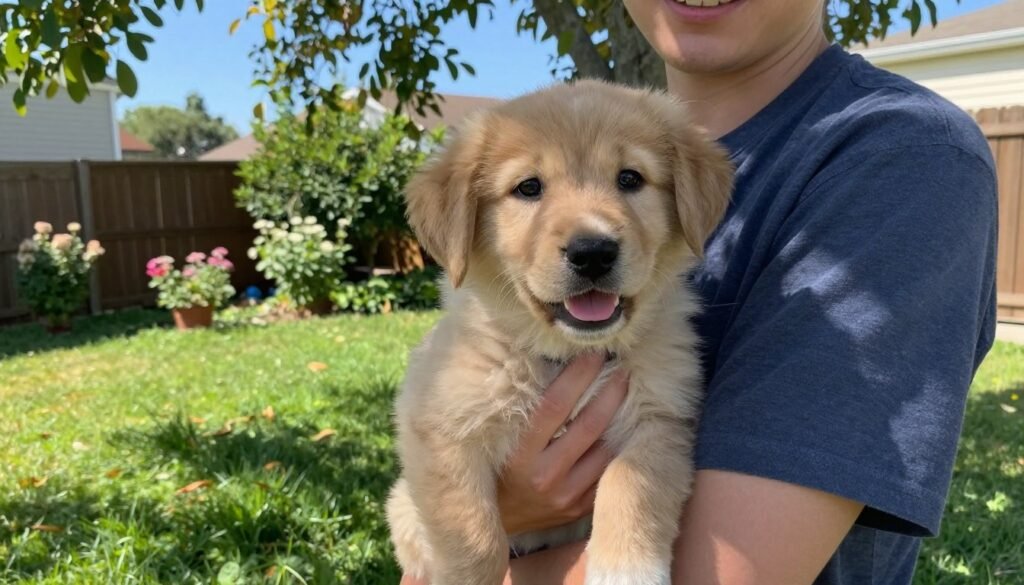
Until your puppy is fully vaccinated, avoid public dog parks and high-traffic areas where many dogs pass through.
Choose safer places to go outside
A veterinarian may recommend starting vaccines at 6-8 weeks, with the final shot in the series at 16 weeks or older for most puppies. Puppies 8-12 weeks old may need veterinary visits every two to four weeks for vaccines and deworming.
Your own yard may be appropriate if no sick animals or wildlife have been in it within the past year. Ask your veterinarian whether that setting fits your puppy’s risk and local conditions.
Carrying your puppy, using a carrier, or taking a dog stroller can provide sights and sounds without ground contact. This lets your puppy experience the outdoors while limiting contact with shared surfaces.
Vaccine recommendations can change with where you live and the animals your puppy may meet. Share your puppy’s normal routines with your veterinarian so the advice fits your home and plans.
Keep walks and exercise age-appropriate
A 2-mile walk exceeds the listed walking-distance ranges for a 4-month-old puppy. Small breeds have a range of 0.3-0.4 miles, while medium and large breeds have a range of 0.4-0.6 miles.
A general walking guideline is about five minutes per day for each month of age. Under that guide, a 3-month-old puppy may walk for about 15 minutes.
At four months, general daily exercise guidance is 20-25 minutes for small breeds, 25-30 minutes for medium breeds, and 30-35 minutes for large breeds. Those totals can include play, training, and interaction.
Build stamina gradually and avoid high-impact running until your puppy is older and fully developed. A short walk is not the only way to provide exercise, especially when your puppy can play or practice simple skills at home.
Ask your veterinarian to tailor outdoor access and exercise to your puppy’s vaccine status and local risks.
Conclusion
Consistency matters more than expecting a perfect first week. Short, steady practice and calm changes to the routine help your puppy make progress without turning each mistake into a setback.
For the first week, write down meals, naps, potty trips, and accidents. A simple log can reveal patterns that are hard to spot while you are busy caring for your puppy.
Start the log today, then adjust your puppy’s routine to match the patterns you observe.