

A sudden or severe change in your dog’s behavior can signal pain, illness, or distress, and it is safer to investigate than to assume it is a training problem. Seeing a familiar dog act unlike themselves can be unsettling, especially when you cannot tell what changed.
Changes can reflect illness, pain, fear, or stress, and a sudden or severe shift deserves more attention than a familiar, brief behavior. Triage means sorting symptoms by urgency so you can choose emergency, same-day, or routine veterinary care. This information cannot diagnose your dog.
Notice changes in energy, movement, eating, drinking, grooming, and social behavior. Signs of stress in dogs and shifts in canine body language can be subtle, but a major change still deserves attention.
Key Takeaways
- Sudden, severe, or worsening changes deserve a veterinary call.
- Breathing trouble, collapse, suspected poisoning, and prolonged seizures need urgent care.
- New aggression, unusual movement, or persistent licking can signal discomfort.
- Do not punish warning signs or force contact with a distressed dog.
- Write down when a change began and what else you notice.
- If your dog seems acutely unwell or unsafe, contact a veterinarian rather than waiting for a behavior change to pass.
Dog Behaviors You Should Never Ignore: A Quick Triage Guide
If your dog is struggling to breathe, has collapsed, or may have swallowed a toxin, contact an emergency veterinarian now. Severe, sudden, or worsening signs can change the level of care your dog needs.
Emergency care is for signs that could threaten life or cause rapid harm. A stable but persistent change may call for same-day or prompt advice, while a mild, familiar pattern may suit routine care.
Seek emergency care for severe or sudden signs
Contact an emergency clinic for serious breathing trouble, collapse, or suspected poisoning. A seizure that lasts 5 minutes or longer also needs emergency veterinary contact. Do not wait to see whether a suspected toxin causes symptoms.
A suspected toxin exposure deserves an immediate call, not a wait-and-see approach.
The ASPCA Animal Poison Control Center is a U.S. resource for suspected toxin exposures. A Cornell guide to poisonous substances also advises calling a veterinarian promptly and avoiding induced vomiting without veterinary guidance.
Arrange prompt care for persistent changes
Call your veterinarian about changes that last, return, or affect daily life, even when your dog seems stable. Useful reasons for prompt assessment include:
- Repeated vomiting or diarrhea
- A sudden refusal of food with other signs of illness
- New trouble walking or persistent disorientation
- Ongoing withdrawal or a marked drop in activity
- Repeated pacing or licking that interrupts normal routines
Severity, sudden onset, and worsening signs shape urgency. A mild change may fit routine care, but a rapid decline calls for faster help. When you are unsure whether a sign is an emergency, call a veterinary clinic and describe exactly what you see.
Sudden Aggression or Resource Guarding
A dog that suddenly snaps or stiffens around a person or possession may be frightened, in pain, or protecting a valued resource. A new defensive response deserves a veterinary assessment before you treat it as a training issue.
Sudden aggression can include snapping, lunging, or biting in situations your dog once handled calmly. Pain, fear, or anxiety may lower a dog’s tolerance, so consider the change in context rather than labeling the dog as bad.
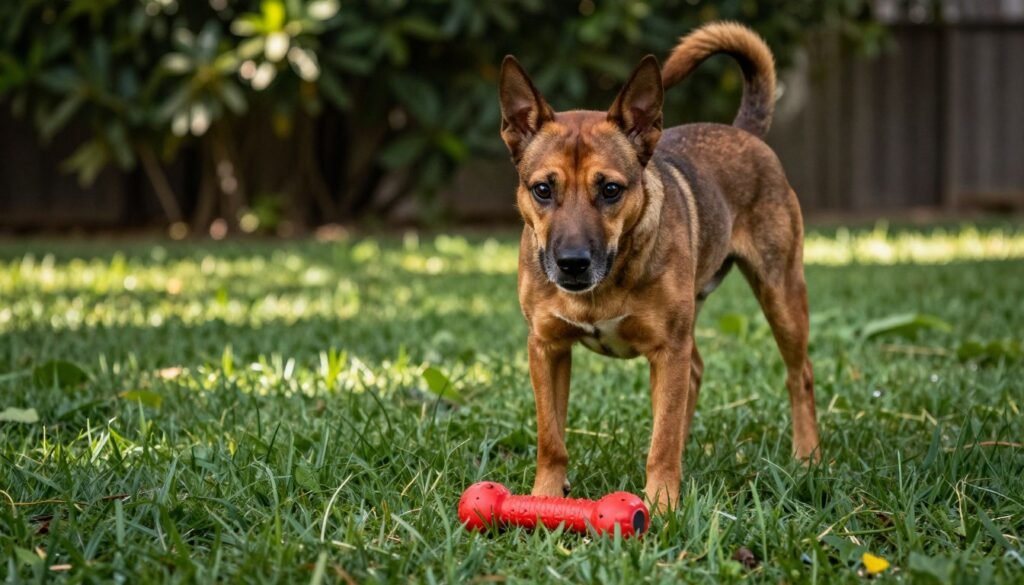
Sudden defensive behavior
Canine body language can offer warning cues before a bite, but each cue needs context. A tense dog may freeze or stare when someone approaches, even without growling.
Watch for these signs of stress in dogs when a person or pet comes close:
- Freezing in place
- A hard, fixed stare
- A lifted lip
- Growling or snapping
- Turning away while staying tense
A guide to reading dog body language can help you notice cues as a group, not as isolated signals. Do not move closer to test whether the dog will repeat them.
Growling around food, toys, or resting places
Behavior around food, toys, or resting places is called resource guarding. A dog may growl when someone reaches for a bowl, takes a toy, or approaches a bed.
Punishing a growl can remove a useful warning without changing the fear behind it. Instead, separate people and pets from the trigger, then arrange a veterinary assessment. Reward-based help may fit once medical concerns are addressed.
The American Veterinary Society of Animal Behavior recommends reward-based training and advises against aversive methods. Until you have professional guidance, give your dog space around the trigger instead of testing whether the warning has stopped.
Head Pressing and Other Neurological Warning Signs
A dog that repeatedly presses its head against a wall or furniture needs immediate veterinary assessment. Persistent head pressing is an abnormal sign, not a training problem.
Head pressing means sustained pressure against a fixed surface, such as a wall, corner, or piece of furniture. It differs from briefly resting the head on a cushion or against your leg.

The Merck Veterinary Manual identifies persistent head pressing as an abnormal neurological sign. Neurological or metabolic illness may cause it, and hepatic encephalopathy is one possible cause. Only a veterinarian can assess what is happening in your dog.
Other warning signs include sudden disorientation, trouble walking, or seizure activity. A dog may seem confused in a familiar room or struggle to move in a straight line. These changes can appear quickly and need prompt medical attention.
Do not try to correct head pressing with commands or treat it as disobedience. The behavior does not explain its own cause, and waiting can delay needed care. Do not wait to see whether persistent head pressing resolves on its own.
Repetitive Pacing, Circling, and Tail Chasing
A dog that keeps pacing, circling, or chasing its tail long after play has ended may have more than excess energy. A sudden onset or a marked change calls for a medical check before assuming anxiety.
Repetitive pacing and circling can occur with anxiety, compulsive behavior, or medical problems. Tail chasing may also become a repeated pattern rather than a brief burst of play.
A short bout of movement during a game may stop when the game ends. A repeated pattern is more concerning when it interrupts sleep, eating, play, or time with the family.
One-direction circling, confusion, or a sudden change makes veterinary assessment especially important. A medical check should come before a diagnosis of anxiety or canine compulsive disorder.
A 2025 veterinary case report described clinicians checking medical causes and pain before treating persistent tail chasing as compulsive behavior. The case report on repetitive tail chasing describes one dog’s care, not a result that applies to every dog.
Notice whether your dog can stop and return to a normal activity without distress. Arrange a veterinary check when repetition disrupts your dog’s normal activities or begins abruptly.
Unusual Lethargy or Withdrawal
If your normally engaged dog is suddenly difficult to rouse or unwilling to do familiar activities, treat the change as a health signal. Unusual lethargy means a clear drop from your dog’s normal energy or response.
A quiet day alone may follow hard exercise, hot weather, a busy outing, or a change in routine. Those details offer context, not proof that the change is harmless.

Reduced activity can accompany stress, but it can also occur with illness affecting the whole body. Notice whether your dog still responds to familiar voices and shows interest in usual activities.
Quiet withdrawal differs from difficulty waking, collapse, or breathing trouble. Do not force exercise to test a lethargic dog, since extra effort may worsen how the dog feels.
A dog may hide or stay apart even when the change is not dramatic. Tell your veterinarian when the shift began and whether your dog’s response has changed through the day. Seek urgent care if the drop in energy comes with collapse, breathing trouble, or pale or blue gums.
Changes in Appetite or Thirst
A noticeable change in how much your dog eats or drinks can be an early clue that something is wrong. Changes in appetite or thirst deserve attention when they persist or come with other illness signs.
Different medical problems can affect eating and drinking, so a change alone does not point to one diagnosis. Increased thirst and urination can occur with diabetes mellitus or kidney disease.

Keep fresh water available rather than limiting your dog’s access. Note these changes before you call the clinic:
- Skipped meals or a sudden refusal of food
- Unusual hunger or a new interest in food
- Drinking more or less than usual
- Urinating more often or having accidents
- Difficulty chewing or swallowing food
A dog refusing food while vomiting, weak, or otherwise unwell needs prompt veterinary advice. A single missed meal in a bright dog differs from refusal paired with other signs, so describe the whole picture to your veterinarian.
Do not assume that a new appetite or thirst pattern is a simple preference. Note when the change began and whether your dog’s urination changed too.
Excessive Licking, Chewing, or Scooting
Repeated licking, chewing, or scooting often means your dog is irritated or uncomfortable. Behavior that damages skin or interrupts daily activity deserves a veterinary exam.
Occasional grooming is normal, but persistent licking or chewing can leave redness, hair loss, or open wounds. A dog may focus on its paws, skin, or one area of the body.

Scooting means dragging the rear along the floor, while repeated licking may focus on the area around the anus. Allergies, parasites, skin problems, and anal sac trouble can cause these patterns.
The Merck Veterinary Manual notes that anal sac disease can cause scooting, licking or biting near the rear, and painful bowel movements. Diagnosis and care may require an examination.
Do not try to express anal sacs or apply human medication without veterinary advice. The wrong treatment can cause pain or make an existing problem harder to assess.
Watch whether licking or chewing returns to the same spot and whether the skin looks damaged. Book an examination if the behavior persists, causes skin damage, or focuses on the anal area.
Signs of Pain in Dogs That Are Easy to Miss
A dog can be in pain without crying, so small changes in movement or tolerance for touch matter. New stiffness, flinching, or avoidance can be signs of pain in dogs.
Some dogs hide discomfort or change their habits instead of making noise. Behavior and mobility changes are useful clues when you assess how your dog feels.

Changes in movement and posture
Stiffness, limping, and difficulty rising can signal pain, especially when they start suddenly. Your dog may also hesitate at stairs or show a new change in gait.
A dog that once jumped onto the couch may now pause or avoid the move. The American Animal Hospital Association identifies changes in behavior and mobility as useful clues for recognizing pain.
Changes in touch tolerance and daily habits
A dog in pain may flinch, hide, or become irritable when touched. Some dogs also sleep differently or show less interest in familiar activities.
New defensiveness can be a response to pain rather than a training issue. Ask a veterinarian to examine your dog before starting behavior training for a new touch-related reaction.
Do not give human pain medication unless a veterinarian directs you to do so. Some medicines meant for people can harm dogs, and the right care depends on the cause. Ask a veterinarian to assess a new mobility or touch-related change before treating it as a behavior problem.
Vomiting, Diarrhea, and Other Sudden Physical Changes
Sudden vomiting or diarrhea becomes more concerning when it repeats, contains blood, or comes with weakness. Persistent symptoms or a painful, weak dog need prompt veterinary advice.
A single mild episode in a dog who remains bright differs from repeated symptoms or a clear decline. Repeated vomiting or diarrhea can lead to dehydration and warrants veterinary advice.

Blood in vomit or stool, a swollen abdomen, or repeated retching without bringing anything up calls for prompt attention. Suspected toxin or foreign-object ingestion also needs a call to a veterinarian.
Puppies and unvaccinated dogs with gastrointestinal signs need prompt veterinary advice. Canine parvovirus can cause severe gastrointestinal illness, particularly in these dogs.
Do not use home care as a substitute for assessment when symptoms persist or worsen. Tell the clinic what you have seen and when it began. Call a veterinarian promptly if symptoms persist or your dog becomes weak, painful, or difficult to rouse.
How to Record a Behavior Change Before the Vet Visit
A simple record of when a behavior happens can help your veterinarian see patterns you may not remember later. Write down the timing, pattern, and setting of each change.
A brief note can make an appointment more useful without delaying care. Include details such as:

- When the behavior started
- How often it happens and how long it lasts
- What happened just before it began
- Changes in appetite, medication, or daily routine
- A short video, if you can record safely from a distance
Describe the behavior in plain terms, such as “walked in circles for several minutes” rather than guessing at a cause. Bring your notes and current medication information to the appointment.
A video may capture a behavior that does not happen during the visit. Record only when doing so does not require approaching an unsafe dog or delay needed care. Stop recording and seek care if making a video delays help or puts anyone at risk.
When to Call a Veterinarian or Veterinary Behaviorist
A sudden behavior change belongs with your veterinarian first, while persistent fear or aggression may also need specialist behavior support. Medical causes should be assessed before a sudden change is treated as a training problem.
Your veterinarian can check for pain, illness, and medication effects. A veterinary exam helps separate health concerns from behavior needs.

Start with a medical assessment
Call your veterinarian when a new behavior persists, disrupts daily life, or appears with other health changes. Share when it began, what happens, and any medication changes.
Veterinary diagnosis and training support serve different needs. A veterinarian can assess health and recommend next steps, while a trainer focuses on learning and behavior skills.
Add qualified behavior support when needed
A veterinary behaviorist can help with ongoing fear, anxiety, or aggression. The American College of Veterinary Behaviorists certifies veterinary behavior specialists, who may coordinate care with your veterinarian.
Choose qualified, reward-based help and avoid anyone who promises a guaranteed fix. Positive reinforcement training rewards safe, useful behavior instead of relying on fear or pain.
For broader dog-care advice, explore guides on dog health and everyday care. Pet health information is educational, not a substitute for veterinary diagnosis or treatment; consult your veterinarian about your dog’s care.
Ask your veterinarian which next professional is appropriate for your dog’s medical and behavior needs.
Keep Your Dog and Other People Safe While You Arrange Care
While you arrange help, create distance between your dog and whatever appears to trigger the behavior. Distance and barriers can reduce the need to handle a tense or painful dog.
Children and other pets may not notice when a dog needs space. Set up a quiet area where your dog can settle without being approached.

Reduce contact with triggers
Use a closed door, gate, or separate room to keep people and pets away from a trigger. Keep the space calm and avoid making the dog move toward someone.
The American Veterinary Medical Association advises people not to approach or disturb a dog that may bite. A closer look at dog body language can help you notice tension without crowding the dog.
Avoid punishment and risky handling
Do not punish a growl, corner a frightened dog, or force an interaction. Avoid grabbing a painful area, even when you want to check for an injury.
If you cannot move your dog safely, keep others away and ask the veterinary clinic how to proceed.
Call the clinic for safe transport guidance if handling your dog may put anyone at risk. A muzzle is not safe for every dog or situation, so ask before using one.
Keep doors and gates secure while you wait for advice. If you cannot move your dog safely, keep others away and ask the veterinary clinic how to proceed.
Conclusion
A new, persistent, or severe behavior change is worth checking rather than guessing about. A major shift may reflect a health or emotional concern, not misbehavior.
Call your veterinarian if you are concerned, and note when the change began. Write down what changed and contact your veterinarian if your dog’s behavior is worrying you.