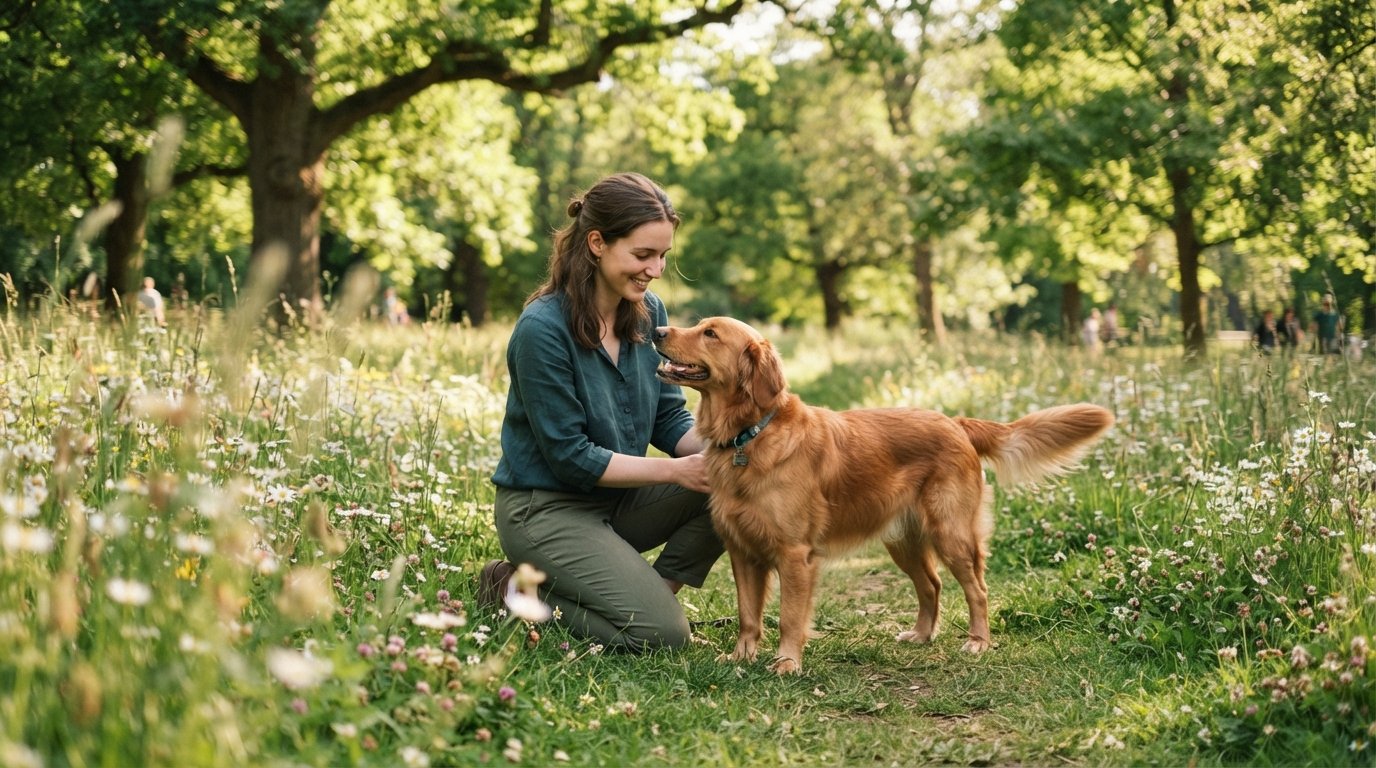
A wagging tail can accompany friendliness, uncertainty, or agitation, so one movement never tells us the whole story. Dog body language can be hard to read when we rely on a single gesture instead of the whole situation. That matters during greetings, play, and everyday pet-owner communication, when a wrong guess can leave a dog feeling crowded.
A canine calming signal is a behavior a dog may use to reduce tension or communicate discomfort, such as looking away or lip-licking. We can improve safe dog interactions by noticing several cues, comparing them with the setting, and giving the dog room to respond. This whole-body approach also helps with recognizing emotional changes that might otherwise seem sudden. Watch what the dog does next as well as what its body is doing now.
What Does a Relaxed, Happy Dog Look Like?
A dog that looks comfortable usually appears loose rather than held rigid, with soft eyes and relaxed ears. A loose or wiggly body can add to the picture, especially when the dog moves easily through a familiar space. These signs of a happy dog mean more when they appear together, not as a single test. Look for a relaxed canine posture across the whole body.
Relaxed ears and soft eyes can appear with a loose body and an easy, natural gaze. A dog may also squint its eyes, lean on someone it trusts, lie down, or roll over while calm. Those actions describe possible calm behaviors, not automatic requests for touch.

An open mouth and lolling tongue may fit a happy mood, especially when the rest of the dog looks loose. Yet a dog’s mood cues cannot be read from its mouth alone. Panting can also point to stress or overheating, so we should consider the room, recent activity, and the dog’s overall behavior.
A dog that leans against us may be seeking closeness, but we should still notice whether it stays or moves away. Rolling over can happen during a calm moment without meaning, “Please rub my belly.” Treat panting as a cue to check the dog’s situation, not as a reliable happiness test.
How Does Dog Body Language Help Us Read Tail, Ear, and Eye Cues?
A tail wag can mean different things, so we get a better read by checking the dog’s posture, ears, and eyes together. The same movement may fit comfort in one setting and alertness in another. Read each cue as part of the dog’s full posture.
What a Dog’s Tail Position Can Tell Us
A loose wag held neither very high nor very low can go with comfort and friendliness. A low, fast wag may instead show fear or uncertainty, especially when the dog’s body looks tense. Neither tail position meanings nor wag speed gives a sure answer by itself.
A high, stiff wag paired with a stiff, forward-leaning body can signal agitation or arousal. A dog might wag its tail in a circle when happy, but the rest of its body still matters. A frightened dog may tuck its tail, while a nervous or alert dog may hold it high and wag hard.
How Ears and Eyes Add Context
Forward ears may show interest or alertness; ears pulled back or held stiffly can point to stress or fear. A fixed stare and visible whites around the eyes can add concern, especially with a tense body. These ear and eye cues help us read canine posture rather than guess from one feature.
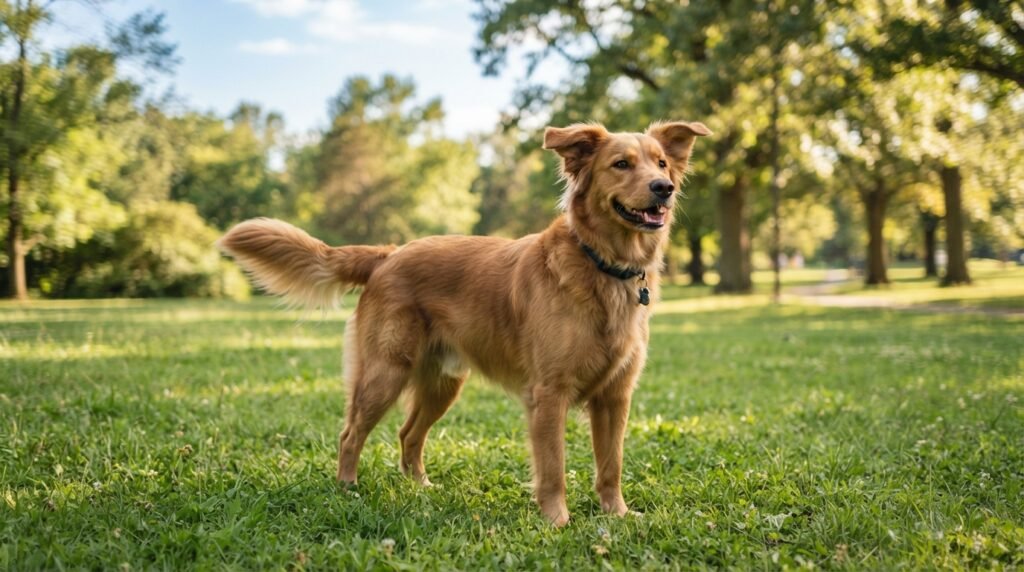
Breed traits can make familiar signs less clear. German shepherds often have upright ears, while huskies and malamutes may have curled tails even when relaxed. Compare the dog’s current signals with its relaxed baseline before deciding what a familiar-looking feature means.
What Do Common Stress Signals Look Like?
A dog that yawns during a tense interaction may be communicating discomfort rather than tiredness. A canine calming signal is easier to understand when we consider what happened just before it. Context can turn an ordinary-looking habit into a stress signal.
Stress signals in dogs can be subtle, so we should notice when a behavior appears during an emotional moment. Watch for these examples:
- Yawning during a tense or emotional moment.
- Panting when the dog is not hot.
- Lifting a front paw as someone approaches.
- Lip-licking when there is no food or water.
- Looking away during an interaction.
- Shaking off after being handled.
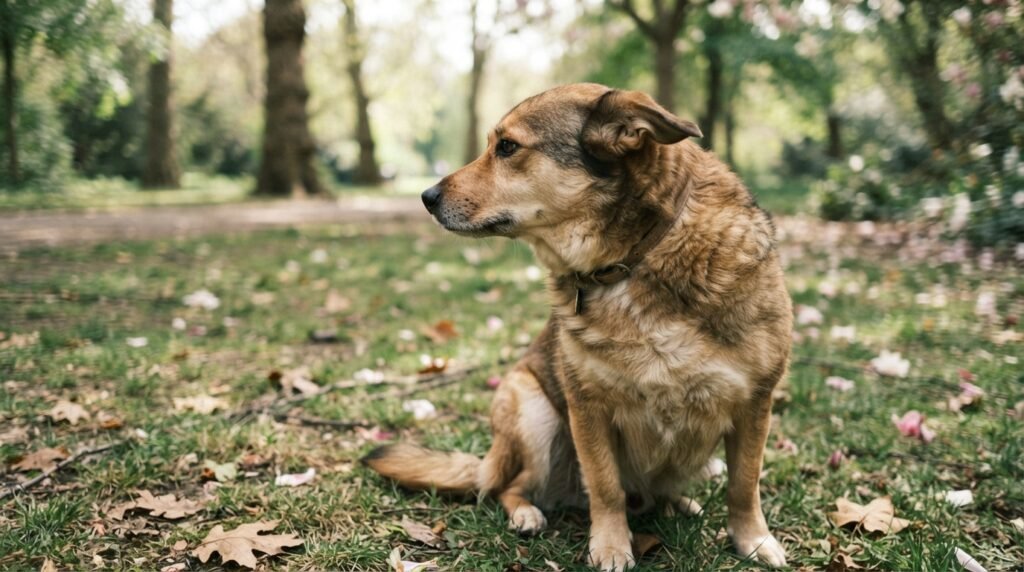
Any one of these actions might have another cause, so the setting matters. A dog may scratch without an itch or lie down to avoid an interaction. Those emotional stress behaviors are more telling when they mark a change from the dog’s usual pattern.
Notice who or what was nearby, and whether the dog had a clear way to leave. A shake after handling may help a dog reduce tension, while a yawn during a quiet nap may simply mean sleepiness. Look for a change from the dog’s usual behavior and note what was happening just before it began.
How Can We Tell Fear From Alertness or Aggression?
A dog that freezes is giving us a reason to pause, even if we cannot tell whether it feels scared, protective, or trapped. Stillness does not prove aggression, but it signals that the dog may need more space. Do not move closer to a dog that has frozen.
Signs That a Dog May Be Afraid
Fear may show through a tucked tail, ears pressed back, or a body that moves away. Whining, pacing, circling, or raised hackles can also fit a fear response. Some dogs drool or sweat through their feet when frightened.
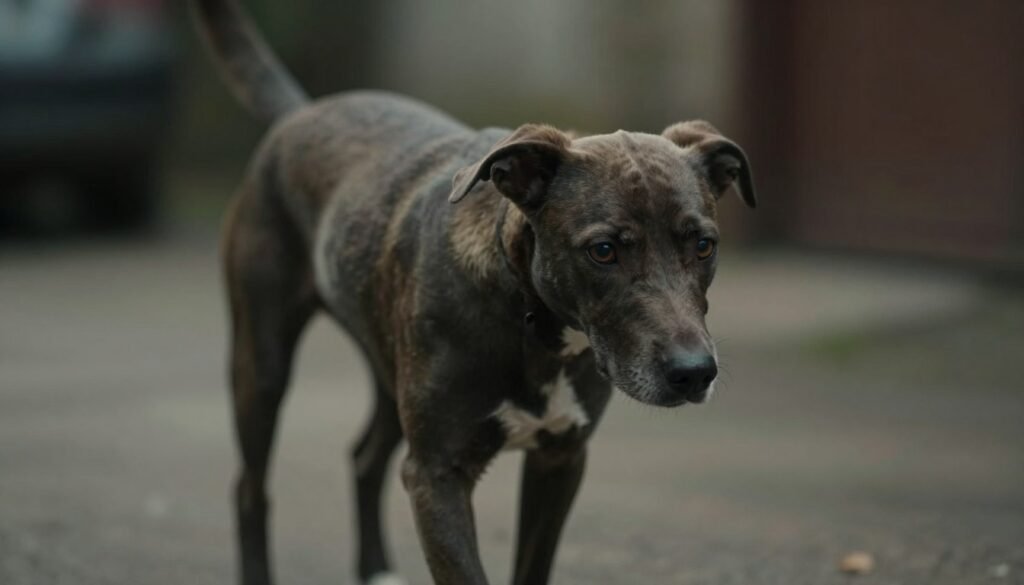
A dog that backs away, hides, or keeps its body low may be trying to avoid pressure. These signs of fear or aggression should not become a label based on one moment. The dog’s setting and other signals help us tell fear, alertness, and discomfort apart.
When a Dog Freezes or Gives a Strong Warning
A freeze may mean fear, guarding food or a toy, or feeling cornered. If we ignore that warning, the dog may growl, snap, or bite. Growling, bared teeth, or snapping without contact are clear reasons to stop closing distance.
A rigid tail, pinned ears, stiff posture, or visible eye whites can add to the warning. A dog may also lick its lips or yawn when tiredness does not explain it. Never punish or test a dog that is showing a strong warning; give it distance.
What Do Play Bows and Belly-Up Postures Mean?
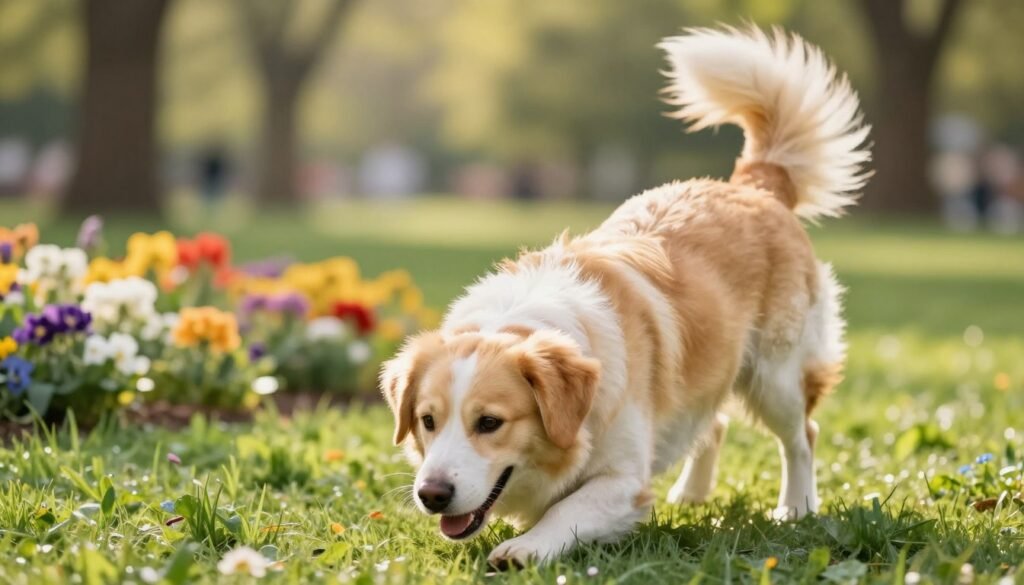
A play bow, front end low and rear end raised, is a common invitation to play. Dogs use this pose to signal play, but the rest of the interaction still matters. A play bow is a likely invitation, not a promise that every dog wants to join.
When a dog lowers its chest and lifts its rear, it may be asking another dog or person to play. The pose is often followed by lively movement, such as a quick run away and return. These play bows and social cues make more sense when we watch how both dogs respond.
A dog lying belly-up can be comfortable or afraid, so that posture has more than one meaning. We should not treat it as an automatic invitation to rub the dog’s belly. A tucked tail or stiff lips are reasons to keep our hands away.
Consider what the dog does before and after rolling over. A loose, eager response to play differs from a still posture that continues as someone approaches. If the dog shifts away or stays tense, stop the interaction rather than trying to coax it. Let the dog’s response, not the pose alone, determine whether play continues.
How Can We Check Whether a Dog Wants Petting?
If a dog walks away or stays just out of reach, we should stop trying to pet it. A dog that turns its body away may feel uncomfortable, even when it has not growled or barked. Let the dog choose whether contact begins or continues.
For an unfamiliar dog, use a calm, gradual approach and give it room to decide. A simple sequence can keep the greeting low-pressure:
- Ask the dog’s person before approaching an unfamiliar dog.
- Approach calmly and gradually.
- Pause and let the dog choose whether to come closer.
- Stop if the dog turns away or moves out of reach.
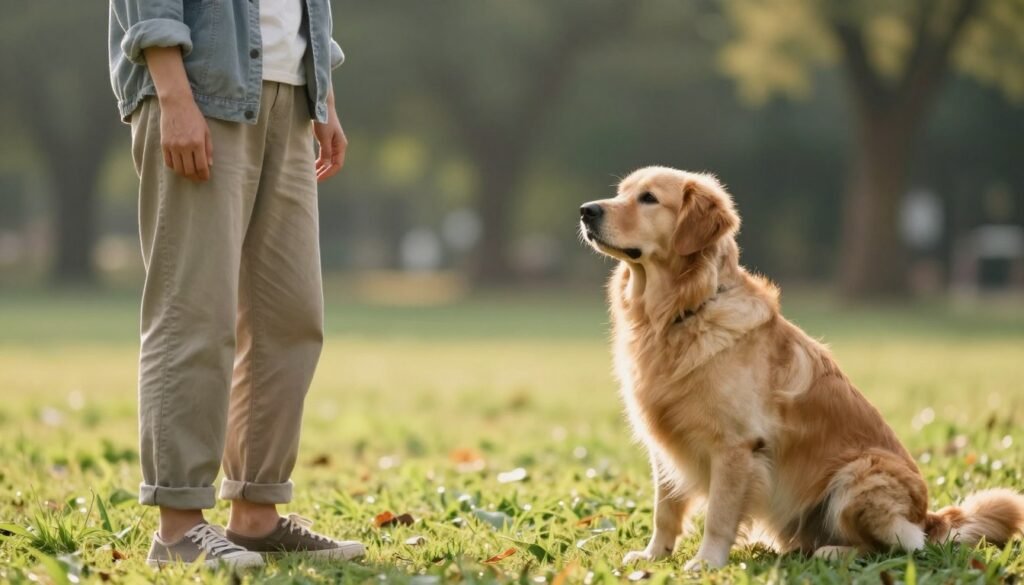
Walking away is a meaningful request for space, not a cue to follow. A dog that remains nearby may still prefer not to be touched, so we should not read presence as consent. This brief pause can make unfamiliar dog greetings safer and less stressful.
Petting consent is about the dog’s choice, not how friendly it looked a moment ago. If it comes closer after we pause, we can keep the contact brief and watch its response. Keep the interaction optional by letting the dog decide whether to return.
What Changes Can Point to Pain or Illness?
A noticeable change from a dog’s usual appetite, activity, or social habits deserves attention. A normally active dog that becomes quiet, loses interest in favorite activities, or isolates may be unwell. A marked change in a normally happy dog calls for veterinary evaluation.
Changes in Activity, Appetite, and Social Interest
Pay attention when a dog stops seeking people or no longer enjoys favorite activities. An appetite change can be an early sign of illness or unhappiness. A dog that eats less and spends more time alone may need a health check.

Dogs may sleep up to 16 hours a day, but sleeping less than usual can signal stress or illness. A new sleep pattern matters most when other changes appear too. Note when the shift began and whether the dog still responds to familiar routines.
Posture and Other Possible Pain Signs
Limping, a hanging head, tense posture, a tucked belly, or an arched back can point to pain or tension. Whimpering may occur, but dogs do not always make a sound when something hurts. Observe how the dog moves and rests, rather than relying on one sign.
Behavior changes can have many causes, but a clear shift from the dog’s normal self deserves care. Share what changed and when you first noticed it with the veterinarian. If the change persists or comes with signs of pain, contact a veterinarian for an assessment.
How Should We Respond to a Nervous or Stressed Dog?
If a dog looks tense or tries to get away, pause what we are doing and give it room. A nervous dog may need less pressure, not more soothing touch. Make space before the situation becomes a confrontation.
Canine calming signals can show that an interaction feels difficult, but our response should focus on the dog’s path and surroundings. Use these simple steps:
- Stop the approach and pause the interaction.
- Give the dog a clear route to move away.
- Avoid reaching over the dog or cornering it.
- Use a closed door or baby gate to create separation if needed.
A dog should have space while eating, sleeping, or chewing a toy. Those moments can make a dog feel exposed, especially if someone reaches into its space. A barrier can help people and dogs stay apart without chasing or crowding.
Let the dog move away without following it, and keep the route clear. This gives the dog a choice while lowering pressure on everyone nearby. Never take food or a chew away from a dog that is trying to keep it.
How Can We Keep Children Safe Around Dogs?
Even a familiar family dog should never be left alone with a child. Adult supervision matters during every interaction, even when the dog has lived with the family for years. Familiarity does not make unsupervised contact safe.
Children can learn simple rules that give dogs room and reduce risky moments. Keep the checklist clear and easy to remember:
- Have an adult supervise every interaction.
- Do not run toward a dog.
- Do not scream near a dog.
- Do not pet a dog that is confined, sleeping, or caring for puppies.
A dog behind a gate, in a crate, or in another confined space cannot easily move away. A sleeping dog may startle when disturbed, while a dog caring for puppies needs room and calm. Children should follow the same rules with a known pet as with any other dog.
Practice the rules during calm moments, before a child and dog share a busy room. An adult should stay close enough to step in whenever a child and dog share a space.
When Does a Dog Need Veterinary Care?
Trouble breathing, collapse, or bleeding that will not stop calls for prompt veterinary attention. Deep punctures, swelling, limping, or severe pain also need prompt care. Contact a veterinarian or emergency veterinary hospital about urgent symptoms.
Wounds near the face, chest, abdomen, or joints deserve quick attention, even when they seem small. Weakness or signs of shock also call for prompt help. A dog may need care after a serious injury before we can judge its behavior.
Do not wait to call if the dog has trouble breathing, collapses, or has uncontrolled bleeding. Describe what happened and what you can see when you contact the clinic. Wounds near the face, chest, abdomen, or joints are among the injuries that need prompt veterinary attention.
A behavior change may also need professional help, especially if it concerns safety or keeps getting worse. A veterinarian can check for health issues and advise whether a veterinary behaviorist assessment is suitable. If we are unsure how urgent an injury is, call a veterinary clinic and describe the symptoms.
Conclusion
We can make better decisions for a dog when we notice patterns instead of relying on a single signal. Context helps us read body-language cues, while a change from the dog’s usual behavior can point to a need for extra care.
One practical step is to notice how the dog acts during calm, familiar moments. That gives us a useful baseline for future changes and can build trust through better timing. Choose one calm moment today to notice your dog’s usual posture, movement, and way of seeking contact.