
Sharing breakfast with a dog can be a caring part of the morning routine, as long as the ingredients are safe and the extra fits into a balanced diet. A small bite is not something a pup needs every day, but it can be a pleasant way to add variety. Complete-and-balanced food is formulated to provide the nutrients a dog needs as its main diet. Check the package for the nutritional adequacy statement, and ask your veterinarian if you are unsure which food suits your pet.
Homemade combinations can bring a little variety to the bowl, but a topper or treat is different from a complete meal. A few ingredients do not automatically provide all the nutrition a dog needs over time. The ideas in this blog are general starting points, not a replacement for a dog’s regular food. Keep portions modest and include every extra in the day’s overall diet. That helps preserve room for the balanced nutrition that supports health, while still leaving time for exercise, play, and the energy your companion needs.
Every dog is an individual, so consider size, activity, age, and any health needs before offering something new. Introduce one ingredient at a time and watch how your dog responds. A dog with a medical condition, food sensitivity, or prescribed diet may need different guidance; check with a veterinarian before changing meals or adding ingredients. Breakfast does not need to be elaborate to show love for a four-legged friend. A safe, simple extra can make a familiar morning feel special without turning an improvised recipe into the main source of nutrition.
Healthy Breakfast Ideas for Dogs: 10 Simple, Dog-Safe Combinations
A few plain ingredients can make breakfast feel special without changing the dog’s regular diet. These simple combinations add variety to the bowl, but they are extras—not a replacement for complete food. Think of each as a small topper or treat, and keep the portion appropriate for your dog’s size and daily calorie needs. A little variety can be a fun way to show your pup some love before the day’s walk or a backyard adventure.

Healthy homemade breakfast ideas for dogs start with dog-safe ingredients prepared simply. For most households, the best homemade dog breakfast is a small, plain combination served as a topper, unless a full recipe has been specifically balanced for that dog. Choose one cooked protein and one grain, fruit, or vegetable. Serve the food plain, with no salt, sauces, butter, or seasoning. The combinations in this post are starting points, not complete meals, and they are not right for every pet. Keep the dog’s regular nutrition plan in place, and count breakfast extras along with treats given later in the day.
Protein-Forward Breakfast Combinations
- Mix plain, fully cooked chicken with soft cooked carrots and a little plain rice. Remove bones, skin, and visible excess fat, and cut the chicken into small pieces. This familiar combination works as a modest topper, not a full meal.
- Serve a thoroughly cooked plain egg with cooked oatmeal and a few washed blueberries. Do not add milk, butter, or flavored products. Start with a small amount, especially if your dog has not tried these ingredients before.
- Pair plain cooked turkey with soft green beans and 100% pumpkin puree. Check the label to make sure the pumpkin is not pie filling, which can contain sugar and spices. Keep the serving small and measure the pumpkin rather than adding a large scoop.
- Combine a cooked egg with plain, cooked sweet potato. Remove the skin if it is tough, mash the potato, and let everything cool before serving. Sweet potatoes are an extra, not a substitute for the dog’s usual food.
- Stir a little plain cooked chicken into oatmeal prepared with water. Remove bones and seasonings, shred the meat, and let the mixture cool. This can be a soft breakfast topper for a dog that already tolerates both ingredients.
These easy homemade dog meals use familiar foods, but simple ingredients do not automatically make a nutritionally complete recipe. Blueberries provide fiber and other nutrients, but they should still be offered in a small amount. Plain pumpkin puree is different from pumpkin pie filling, and added ingredients in packaged products can change whether a food is suitable. If you are considering cheese, a tiny amount of plain cottage cheese is an occasional option for some dogs, but dairy can upset digestion in dogs that do not tolerate it. Avoid adding milk by default. Introduce one new ingredient at a time and watch for digestive changes or other signs that it does not agree with your pup.
Fruit, Vegetable, and Grain Combinations
- Add a few washed blueberries to the dog’s regular complete food or kibble. Begin with a small portion, and cut larger berries in half for a small dog.
- Serve small apple pieces with plain cooked chicken and rice. Remove the seeds and core, then cut the fruit into manageable bites. Keep chicken plain and boneless.
- Offer a few banana slices as a small treat alongside regular food. Bananas contain natural sugar, so use a modest portion rather than making them a main-diet ingredient.
- Stir a little plain pumpkin puree into the dog’s regular food. Choose 100% pumpkin, not a sweetened or spiced pie product, and introduce it gradually.
- Combine soft cooked carrots and green beans with a small portion of plain rice. Chop the vegetables into bite-size pieces and serve the mixture as an occasional topper.
Fruit, vegetables, and grains add variety, but the dog’s complete food should remain the foundation of daily nutrition. Avoid foods prepared with sauces, seasonings, or ingredients that are unsafe for dogs, and never offer cooked bones. Check labels on packaged foods, including pumpkin and other products, instead of assuming every version has the same ingredients. Extras at breakfast count just like treats, training rewards, or a bite shared at dinner, so keep the total modest throughout the day. For additional preparation guidance, consult the AKC fruit safety guidance. Introduce each new food on its own and observe your dog over the next few days. If a food causes a reaction, stop offering it and contact your veterinarian if symptoms concern you. A simple breakfast can be a pleasant routine for you and your friend without adding a lot of extra calories or disrupting the balanced diet that supports their health and energy.
How Should We Portion and Prepare a Dog’s Breakfast?
A breakfast add-in counts toward the same daily treat allowance as training rewards and other extras. Keep the balance: all treats combined should provide no more than 10% of daily calories, with the remaining 90% from well-balanced dog food. Count toppers, snacks, and training treats together rather than treating each as a separate allowance. The right amount depends on a dog’s calorie needs, size, activity, and health, so use the package feeding guide as a starting point and ask your veterinarian for individualized advice. A small extra should not displace the food that provides most of the day’s nutrition.
Easy, healthy breakfast ideas for dogs can include a plain, thoroughly cooked egg in an amount that fits the dog’s size. Eggs provide protein and other nutrients, but they are an add-in, not a complete meal. Keep the rest of the dietary routine in view when planning breakfast, especially if your pup already receives treats, kibble, or other extras. Cheese or cottage cheese is not necessary for an egg recipe, and dairy can cause digestive upset in some dogs. For practical guidance on everyday pet nutrition and planning regular food and extras, see everyday pet nutrition.
How to Cook Scrambled Eggs for Dogs for an Easy Breakfast
For a simple scrambled-egg breakfast, crack an egg into a nonstick pan and add a splash of water. Cook it until no runny egg remains, then let it cool before serving. Do not add salt, butter, oil, cheese, or seasonings. Serve a portion that fits the dog’s size and overall daily intake, rather than offering a whole egg automatically. If chicken or another ingredient is part of the same meal, keep it plain and boneless, and remember that the egg and all other extras count toward the same daily limit.
Boiled, scrambled, and poached eggs are suitable when fully cooked and plain. Raw or undercooked eggs can carry risks, including Salmonella, so cook eggs thoroughly and handle them safely. Refrigerate cooked eggs promptly in a covered container at 40°F or below, and use them within four days. Do not leave egg-based food sitting out for long periods. This storage guidance applies to cooked eggs kept cold; it does not make an egg-based meal a complete diet or remove the need to monitor how your dog responds to a new food.
Egg Portions by Dog Size
These suggested amounts are general guidance, not an individualized prescription. Serve eggs 1-2 times per week, based on the dog’s weight, and account for the calories in every other treat that day. A veterinarian can help adjust portions for a dog with a special dietary plan, a health condition, or different energy needs:
- Extra-small dogs, 2-10 pounds: 1/4 egg.
- Small dogs, 11-20 pounds: 1/2 egg.
- Medium dogs, 21-50 pounds: 1 egg.
- Large dogs, 51-90 pounds: 1 1/2 eggs.
- Extra-large dogs, 91 pounds or more: 2 eggs.
Homemade food is not automatically nutritionally complete, even when a recipe includes protein, vegetables, and familiar ingredients. A University of California, Davis, analysis of 200 home-cooked dog-food recipes found that 95% lacked at least one essential nutrient, 84% lacked multiple nutrients, and only 10 recipes met minimum standards for essential nutrients. These findings are a reminder that occasional homemade meals are different from a carefully formulated long-term diet. A recipe that looks balanced to us may still miss essential nutrients or provide the wrong dietary proportions. Do not replace a dog’s regular food with a homemade menu unless a veterinarian or board-certified veterinary nutritionist has assessed it for that dog’s needs. That professional can account for age, activity, health, and the full dietary pattern, then recommend appropriate ingredients and portions. Keep bones out of meals, and do not assume that milk or other common kitchen foods are suitable additions. The goal is a safe breakfast extra that fits the overall plan, not an improvised meal that changes the dog’s nutrition or energy intake without guidance.
Is Rice or Oatmeal Better for Dogs?
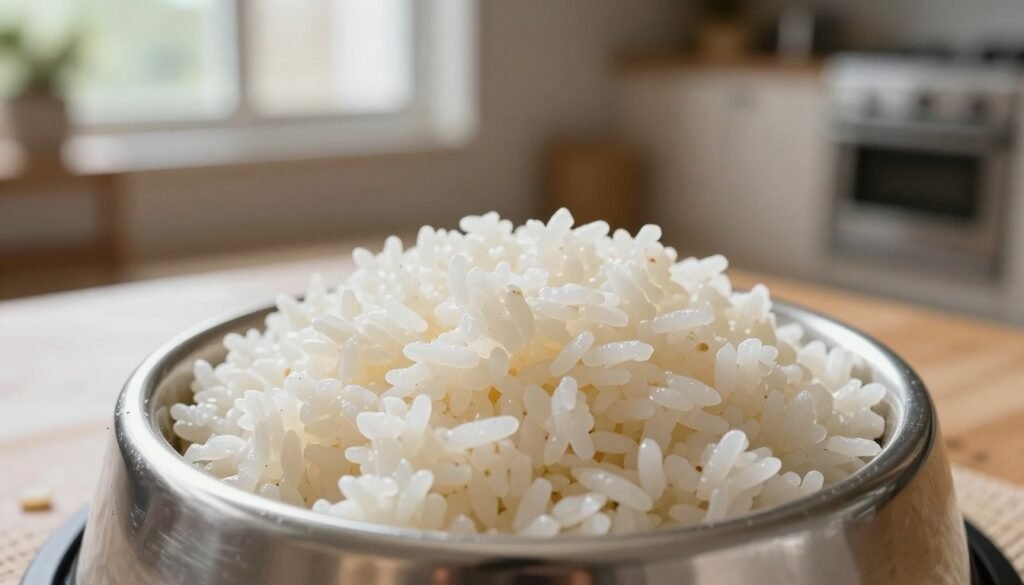
Rice and oatmeal are both grains people sometimes offer as plain additions to a dog’s food, but neither is the right choice for every dog. Plain white rice is often used as a bland carbohydrate because some dogs find it easier to digest than brown rice. That does not mean rice treats diarrhea or is appropriate for every cause of digestive upset. Oatmeal is another option when it is cooked thoroughly with water and served plain. A dog’s age, size, health, usual diet, and symptoms all matter when deciding what to offer.
Count rice, oatmeal, and other add-ins within the dog’s combined daily allowance for treats and extras. Healthy breakfast ideas for dogs with diarrhea should stay simple, but a bland food routine is not a complete diet or a substitute for veterinary advice. The table compares preparation and general considerations. Its serving notes are starting points, not a prescription for every dog.
| FoodPreparationBest fitServing limit | |||
| Plain white rice | Cook thoroughly with water; serve plain | A bland carbohydrate that some dogs digest more easily; not a treatment for diarrhea | Offer a modest amount and count it among all daily extras |
| Brown rice | Cook thoroughly with water; serve plain | Provides another grain option but may be harder for some dogs to digest | Offer a modest amount and count it among all daily extras |
| Oatmeal | Cook with water; avoid raw oats, milk, and flavored instant oats | Plain breakfast add-in for dogs that tolerate oats | Start with a small portion suited to the dog’s size; ask your veterinarian about regular servings |
Prepare rice and oatmeal without salt, seasoning, butter, sauces, or other additions. Avoid flavored instant products: they can contain added sugar or ingredients that are unsafe for dogs, so read the label rather than assuming a packaged food is suitable. Never serve oatmeal made with milk as a default; some dogs do not tolerate dairy well. Keep portions small, especially when introducing a new food, and do not combine several unfamiliar ingredients in the same bowl. A simple breakfast makes it easier to notice whether a particular food agrees with your dog.
Rice or oatmeal should not become the main diet. They do not provide all the nutrients a dog needs, and a meal based mostly on grain can unbalance the regular diet if repeated. Other plain foods, such as cooked vegetables, pumpkin, or potatoes, also need to be portioned with the dog’s overall nutrition in mind; adding more ingredients does not automatically make a complete meal. Keep all toppers and treats within the daily allowance recommended for your dog, and ask a veterinarian for portion advice if your dog has a medical condition or a prescribed diet.
If diarrhea is severe, continues, returns, or comes with other concerning signs, contact a veterinarian rather than extending a rice-based routine for several days. A veterinarian can help identify the cause and recommend an appropriate diet and care plan. For mild digestive changes, follow professional guidance about what food to offer and for how long. When symptoms are ongoing, waiting or trying different foods at home can delay needed care. Use rice or oatmeal as an occasional, plain addition only when it suits your dog, not as a cure or a replacement for veterinary assessment.
Conclusion
A good dog breakfast does not need to be elaborate. Choose one plain, dog-safe extra, serve a modest portion, and introduce it on its own so you can notice how your dog responds. Keep track of new foods, including packaged products, and stop offering an ingredient if it causes a problem. A simple note can help you remember what your dog ate and whether anything changed afterward. These small steps make breakfast easier to manage without turning a topper into a full meal.
Complete-and-balanced food should remain the nutritional foundation for dogs. Treats and toppers are extras, so count them alongside training rewards and any bites shared at dinner. Homemade ingredients do not automatically provide everything a dog needs, and adding a lot of foods does not make a recipe complete. Avoid assuming an ingredient improves health, coat, or skin unless your veterinarian recommends it for your dog. Whether your friend joins you for a walk in the yard or heads off on another adventure, the same balanced routine matters throughout the day. This post offers general ideas, not a personalized diet plan. Before changing regular meals or adding breakfast foods to a dog’s routine, ask your veterinarian whether the choice and portion suit that individual dog.